
Resolving Denied Life Insurance Beneficiary Claims: [Tested Steps] to Win Your Appeal
A life insurance claim denial usually stems from material misrepresentation, missed premium payments, or filing during the initial two-year contestability period. You can successfully reverse this decision by gathering independent medical records, proving your payment history, and filing a formal administrative appeal immediately.
The Shocking Reality of a Rejected Claim
You just lost someone you love deeply. You are navigating the heavy fog of grief, organising a funeral, and trying to keep your family emotionally stable. During this incredibly fragile time, you rely on one specific comfort. You know your loved one paid for a life insurance policy strictly to protect you from financial ruin.
You submit the death certificate and the claim forms, expecting a straightforward process. A few weeks later, a formal letter arrives from the insurance provider. Instead of a check, the letter bluntly states that your claim has been investigated and entirely denied.
The violation you feel in that exact moment is suffocating. It feels like a massive corporate machine is actively stealing the safety net your family member worked so hard to build. You start worrying about how you will pay the mortgage, cover the medical bills, or simply survive the next few months.
I am here to tell you to take a deep breath. A denial letter is a corporate default reaction, not a final legal verdict. Insurance companies actively look for reasons to hold onto their money, banking on the fact that grieving families are too exhausted to fight back. We are going to organise your evidence, expose their administrative errors, and force them to honour the contract.
Why Companies Deny Legitimate Claims
Before you can fight the decision, you have to understand the specific weapon the insurance company is using against you. They do not deny claims randomly. They rely on strict contractual loopholes.
Let us break down the exact administrative excuses they use to reject payouts.
The Two-Year Contestability Trap
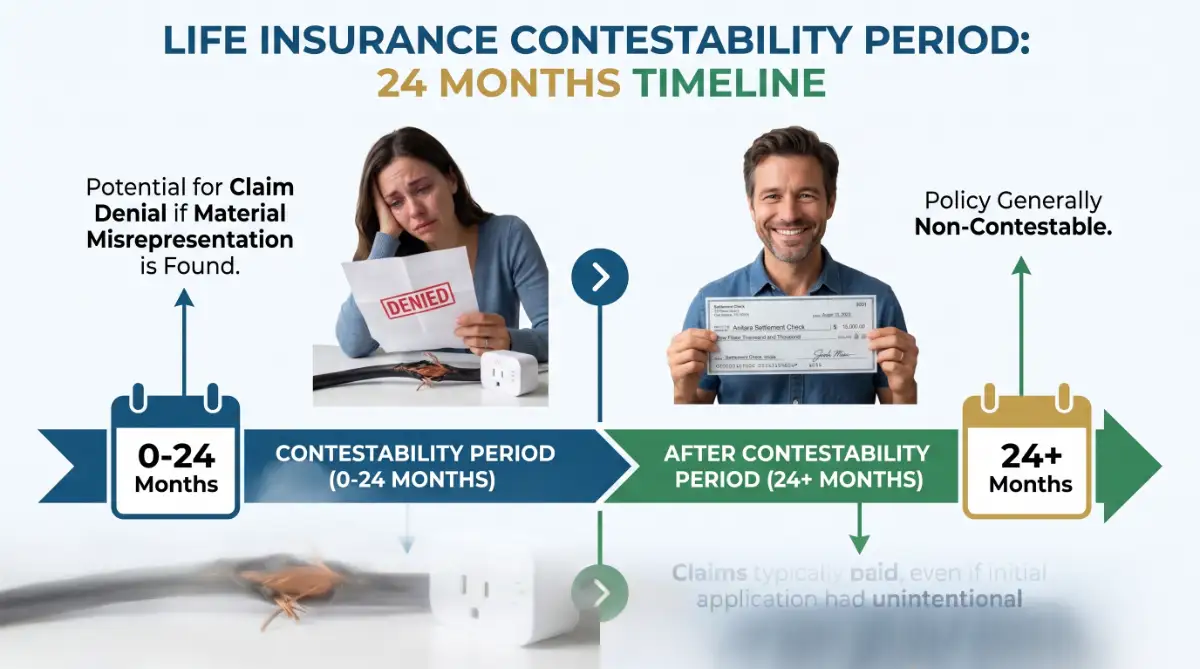
If your loved one passes away within the first twenty-four months of opening the policy, the company triggers an automatic, aggressive investigation. This is legally known as the contestability period.
During this window, the company has the legal right to scrutinise the original application line by line. They are desperately searching for "material misrepresentation".
This means they are looking for a lie or an omission that would have stopped them from issuing the policy in the first place. If they find out the applicant checked the "non-smoker" box but actually smoked cigars occasionally, they will deny the entire payout.
However, there is a massive difference between a deliberate lie and an honest mistake. If your loved one forgot to mention a minor sprained ankle from five years ago, the insurance company cannot use that as an excuse to deny a heart attack claim today.
The Missed Premium Excuse
This is the most heartbreaking reason for a denial. As people get older or fall severely ill, they often become confused and simply forget to pay their bills.
If the monthly premium payment stops, the policy eventually lapses. Insurance companies are incredibly quick to use a lapsed policy to deny a massive death benefit.
What they fail to tell you is that almost all states mandate a strict "grace period". This is usually a thirty-day window after a missed payment where the policy remains legally active. If the death occurred during this specific grace period, the company absolutely must pay the claim, minus the amount of the single missed premium.
Understanding how to read these specific contractual timelines is just as important as knowing how to navigate the silent tax traps destroying life insurance payouts. If you do not know the federal and state rules, the financial institutions will easily take advantage of your lack of knowledge.
This table clearly outlines how you counter their specific corporate arguments with hard facts.

Engineering a Bulletproof Appeal Strategy
You cannot win this fight by calling the customer service hotline and yelling at a representative. The person on the phone has no power to overturn a legal denial. You must build a highly structured administrative appeal.
Think of this process exactly like preparing for a court case. You need an undeniable paper trail.
Step 1: Demand the Complete Claim File
Do not guess why they denied you. Write a formal letter demanding a complete copy of the claim file, the original application, and the specific internal guidelines they used to reject the payout.
By law, the insurance company must explain their exact reasoning in writing. They must point to the specific line in the contract they are using to block the money.
Step 2: Gather Independent Evidence
If they claim your loved one hid a pre-existing heart condition, you must prove them wrong. Contact the deceased's primary care physician and request their entire medical history from the five years leading up to the application.
If the doctor's notes show zero evidence of heart disease at the time the policy was signed, the insurance company's argument instantly collapses.
Gathering this documentation takes patience. It is highly similar to the discipline required when identifying hidden dangers in life insurance policies. You have to ignore the surface-level marketing and dig deeply into the actual paperwork.
Step 3: Draft the Appeal Letter
Do not use a generic template from the internet. Write a clear, objective letter directly addressing their stated reason for denial.
Attach your medical records, bank statements proving premium payments, and a copy of the official death certificate. Send this entire packet through certified mail with a return receipt requested. This guarantees they cannot claim your evidence was lost in the mail.

The Destructive Mistakes You Must Avoid
When families are grieving, they make fast, emotional decisions. The insurance company expects you to stumble. They set specific administrative traps, hoping you will make a procedural error that legally locks you out of your money forever.
The Trap of the Missed Deadline
Every single denial letter includes a strict deadline for filing an appeal. This is usually sixty to ninety days from the date of the letter.
If you spend three months mourning and forget to mail the paperwork, you permanently forfeit your right to the money. The deadline is absolute. If you miss it by a single day, the insurance company wins automatically.
Put the deadline in your calendar immediately. Treat it with the exact same urgency you would treat a court summons.
Accepting the "Refund" Cheque
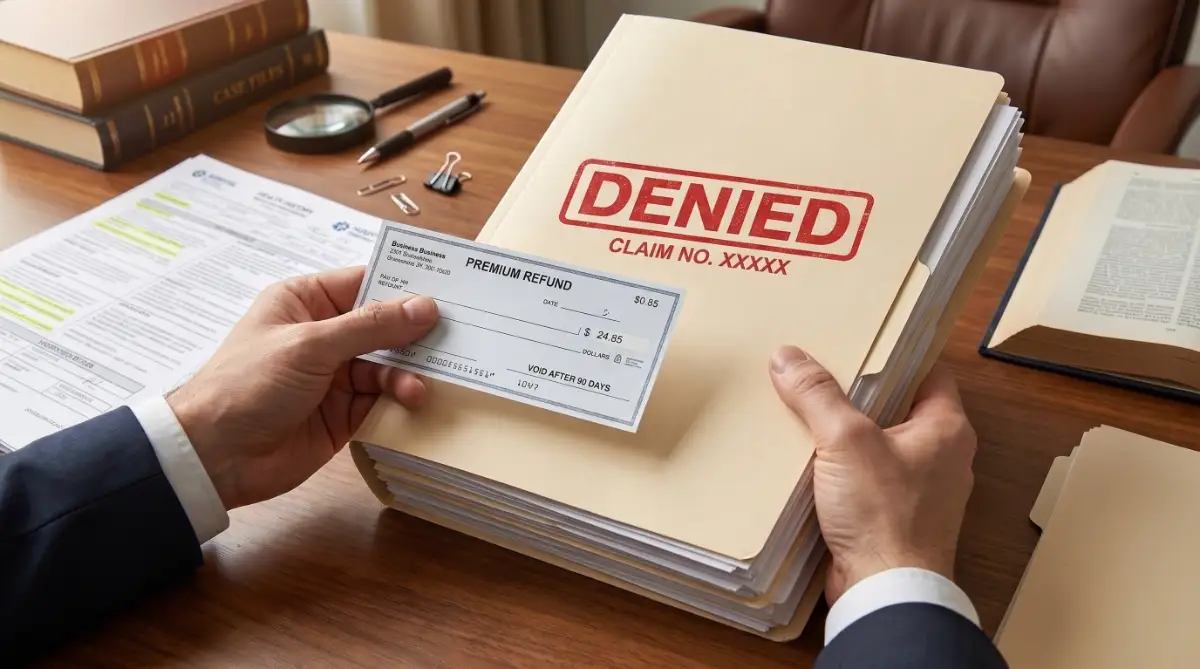
Here is a highly deceptive tactic many companies use. When they deny a claim for misrepresentation, they will often mail you a small check refunding the premiums your loved one originally paid.
They include a letter expressing their "condolences" and stating that this refund closes the account.
Do not deposit that check. Do not sign it.
If you cash that premium refund check, you legally agree to their decision. Cashing the check acts as a binding legal settlement. You trade a five-hundred-dollar refund for a five-hundred-thousand-dollar death benefit. Hold onto the check until your formal appeal is completely resolved.
Arguing Based on Emotion
Your loved one was a wonderful person who meant everything to you. Unfortunately, the appeals board does not care.
If your appeal letter talks about how much you need the money to survive or how unfair the situation is, they will ignore it. You must strip all emotion from your writing.
Stick entirely to the facts. Cite the policy numbers, reference specific medical dates, and point to state laws. You win these disputes with cold, hard data, not tears.
Securing Your Rightful Compensation
You now have the exact technical blueprint needed to fight a corporate denial. You understand that a rejection letter is merely the start of a negotiation, not a final judgement.
Do not let the complex legal terminology intimidate you. The system is designed to make you feel small, but you have absolute rights as a listed beneficiary.
Your Immediate Action Plan:
- Secure the Letter: Put the denial letter in a safe folder and highlight the exact deadline date for filing an administrative appeal.
- Request the File: Send a certified, written demand to the insurance provider for a complete copy of the claim investigation file.
- Gather the History: Contact the deceased’s primary doctors and request a complete dump of their medical records. Look for proof that contradicts the insurance company's specific excuse.
- Hold the Check: If they sent you a premium refund, put it in a drawer. Do not deposit it into your bank account under any circumstances.
Fighting a massive corporation feels exhausting, especially when you are already dealing with intense personal loss. Take it one single step at a time. Organise your papers, build your factual argument, and force them to honour the contract they signed. You hold the power to secure the legacy your family member intended to leave behind.
Frequently Asked Questions
Can an insurance company deny a claim if the cause of death is unknown?
If the coroner has not issued a final cause of death, the insurance company will simply delay the payout. They cannot officially deny the claim until the final death certificate proves the death violated a specific policy exclusion.
Does an autopsy automatically delay my life insurance payout?
Yes. If the state orders a mandatory autopsy, the insurance provider will wait for the final toxicology and autopsy reports to verify the exact circumstances of the death before releasing any funds.
Should I hire a lawyer to appeal a denied life insurance claim?
If your claim is worth a significant amount of money and involves complex medical history disputes, hiring a specialised life insurance attorney is highly recommended. They handle the administrative burden and know exactly how to counter bad-faith corporate tactics.
Disclaimer: This blog post is for informational and educational purposes only. I am not a certified public accountant (CPA), tax attorney, or licensed legal advisor. Insurance regulations vary wildly by state and change frequently. Always consult with a qualified, licensed legal professional or attorney before filing formal appeals or making legal financial decisions regarding disputed claims.