The Silent Cyber Threats Draining Digital Assets (And How to Stop Them)
- The Devastating Reality of Modern Digital Wealth Theft
- Why Traditional Passwords Fail Against Emerging Technology
- How Smart Automation Secretly Exposes Your Financial Privacy
- The Complete Blueprint to Securing Your Crypto and Digital Vaults
- Isolating Your Digital Wallets from Everyday IoT Networks
- Implementing Advanced Zero-Trust Architecture at Home
- Hardening Your Defense with Cold Storage Solutions
- Future-Proofing Your Privacy Against AI-Powered Cyberattacks
- Frequently Asked Questions
- Your Final Checklist for Complete Digital Peace of Mind
Cybercriminals silently drain digital assets by exploiting unsecured smart home automation and emerging technology vulnerabilities. You can successfully protect your crypto wealth by actively isolating your financial networks, adopting zero-trust identity rules, and moving funds into secure cold storage hardware.
The Devastating Reality of Modern Digital Wealth Theft
People often assume cyberattacks involve blaring alarms or suddenly locked screens. In reality, the most dangerous digital robberies happen completely quietly in the background of your network. Attackers sneak in through tiny security gaps and slowly syphon your digital assets without making a single sound.
I speak with thousands of investors who feel completely secure just because they use strong passwords. They quickly realise this false sense of security disappears when they check their supposedly safe digital vaults. When crypto wealth vanishes silently, there is normally no bank manager you can call to reverse the transaction.
We must change how we view daily internet safety across our private devices. Treating your home network like a high-security corporate facility is no longer optional. Building a solid foundation starts with understanding basic network vulnerabilities before you ever buy your first digital asset.
Why Traditional Passwords Fail Against Emerging Technology
For many years, a long password with a few special characters was enough to keep bad actors away. Unfortunately, emerging tech has given everyday hackers access to terrifyingly intelligent software programs. These automated tools can guess millions of password combinations in a fraction of a second.
This brute-force capability renders traditional text-based passwords almost entirely useless. If a criminal wants access to your online banking, they just let an automated script run overnight. They do not need to guess your pet's name because the machine handles the entire dictionary instantly.
You must accept that regular passwords are now the weakest link in your digital armour. Attackers easily bypass them by purchasing stolen user credentials on the dark web. Upgrading your defence requires entirely new methods of proving your physical identity to your computer.
How Smart Automation Secretly Exposes Your Financial Privacy
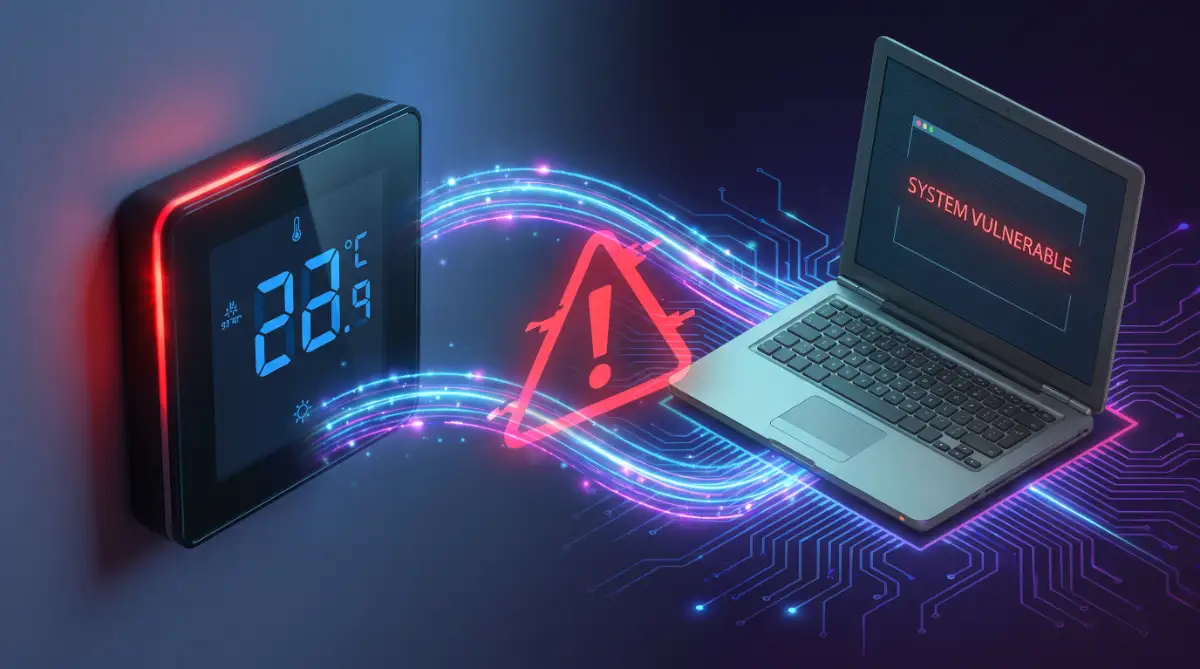
We love filling our houses with convenient, internet-connected gadgets. You might own a smart thermostat, a wireless doorbell camera, and a voice-controlled television. This expanding web of devices is known as smart automation, and it creates massive blind spots in your home security.
When you connect a cheap smart lightbulb to your main home Wi-Fi network, you create a new digital door. Many manufacturers prioritise keeping these tiny gadgets affordable rather than making them inherently secure. Attackers use these weak, unprotected devices to quietly slide right into your private network.
The Cybersecurity and Infrastructure Security Agency (CISA) frequently warns consumers about these severe digital risks. You can review their official guidance on securing the Internet of Things to learn exactly how exposed your home really is. Once a hacker claims your smart fridge, they can easily reach the laptop where you store your digital coins.
The Complete Blueprint to Securing Your Crypto and Digital Vaults
You do not have to accept defeat against these modern cyber threats. We can use highly strategic defence
methods to forcefully block hackers from reaching our sensitive accounts. Taking proactive steps today guarantees your financial safety well into the future.
We focus our defence on completely separating your public internet habits from your private wealth storage. By placing heavy barriers between different parts of your network, you effectively trap potential intruders. This organised strategy prevents a minor smart home breach from turning into a massive financial disaster.
Implementing these protocols takes a bit of time and extreme focus from you. However, dedicating one single afternoon to security can save you thousands of dollars down the road. Let us break down the exact steps you need to take right now.
Isolating Your Digital Wallets from Everyday IoT Networks
Your primary financial computer should absolutely never share the same network as your smart television. We fix this dangerous overlap by setting up a completely separate network exclusively for your smart automation devices. Technical experts refer to this strategy as aggressive network segmentation.
Most modern internet routers allow you to quickly activate a completely separate "guest Wi-Fi" signal. You should connect all your smart gadgets to this secondary channel while keeping your main line for sensitive banking. We highly recommend reviewing our guide on configuring secure home routers to properly establish this digital wall.
By forcing your connected gadgets onto an isolated channel, you cut off the hacker's internal pathway. They might successfully compromise your wireless doorbell, but they cannot cross over to your primary laptop. This simple network split instantly stops silent threats dead in their tracks.
Implementing Advanced Zero-Trust Architecture at Home
The old concept of cybersecurity essentially trusted any device physically located inside the house. Today, that level of blind faith is incredibly dangerous for anyone holding valuable digital assets. We solve this problem by adopting a strict corporate strategy called the zero-trust model.
Zero-trust simply means your network never trusts any device automatically, even if it connected successfully yesterday. Every single time your phone or laptop tries to access a sensitive file, it must prove its exact identity again. Following strict NIST standards for zero-trust gives you a powerful roadmap for implementing these aggressive rules natively.
Practically, this means applying strong multi-factor authentication (MFA) to every single application you use. Your financial tools must strictly require a secondary fingerprint scan or a physical security key token to open. Hackers might steal a password remotely, but they cannot magically replicate your unique physical fingerprint.

Hardening Your Defense with Cold Storage Solutions
Leaving your cryptocurrency sitting entirely on a public exchange platform is a terrible idea. These massive global platforms are constantly targeted by organised criminal hacking groups looking for an easy payday. If an exchange gets heavily compromised, your digital money can evaporate instantly.
The absolute safest way to protect your digital wealth is by using cold storage hardware. These small physical USB devices hold your private transaction keys completely offline. Because the physical device is entirely disconnected from the internet, a remote hacker cannot reach it.
You only plug the hardware wallet into your computer when you actively want to move funds. The exact minute you finish your transaction, you pull the device out and lock it in a safe. This physical gap makes it mathematically impossible for a silent digital threat to steal your money.
Future-Proofing Your Privacy Against AI-Powered Cyberattacks
Technology never stops growing, which means the tools hackers use will only become more aggressive. Artificial intelligence now helps criminals write highly complex malware codes that completely evade standard antivirus software. We have to think several steps ahead to maintain our digital privacy.
You must commit to a schedule of continuous software updates for every single device you own. Manufacturers frequently release urgent digital patches specifically designed to block newly discovered AI-driven exploits. Ignoring a routine update notification is basically leaving your front door wide open.
I strongly suggest diversifying your overall security knowledge over the next few months. We cover these advanced topics heavily in our detailed tutorial on modern data encryption protocols. Staying continuously educated is your ultimate long-term weapon against brilliant cybercriminals.

Frequently Asked Questions
What is the safest way to store digital assets?
The absolute safest method for storing digital assets is using physical cold storage hardware wallets. These devices keep your private cryptographic keys completely offline, making remote hacking attempts mathematically impossible.
Can smart home devices steal my crypto passwords?
Yes, unsecured smart home devices can definitely serve as hidden entry points for cybercriminals. Hackers compromise cheap smart gadgets and use them to quietly monitor your network and steal highly sensitive passwords.
How does emerging tech impact personal cybersecurity?
Emerging tech gives cybercriminals access to highly powerful, automated artificial intelligence tools. These advanced programmes easily bypass basic text passwords and actively hunt for tiny misconfigurations across your daily devices.
Your Final Checklist for Complete Digital Peace of Mind
Protecting your online wealth requires daily dedication and strong personal discipline. You cannot simply buy a security tool, plug it in, and completely forget about it. Building an ironclad digital defence is an ongoing, highly proactive journey.
Start immediately by shifting every single smart bulb, speaker, and camera onto a dedicated guest Wi-Fi channel. Double-check your main financial accounts to ensure aggressive multi-factor authentication is completely active. Go purchase a reliable hardware wallet today and physically pull your long-term assets off the open internet.
By aggressively managing your physical network and trusting nobody, you completely block silent threats out of your life. Do not wait for a devastating financial loss to finally upgrade your home defences. Take these highly strategic steps today, and proudly share this educational guide on Facebook or Pinterest to help your friends stay safe.
Disclaimer: The information provided in this article is for educational and informational purposes only. It does not constitute legal, financial, or professional cybersecurity advice. Always consult with certified IT professionals, security experts, and financial advisors when configuring home networks and managing digital assets.

Driven by a passion for information synthesis, I research complex digital systems, financial rules, health trends, and smart technology to distil dense topics into clear, transparent, and easy-to-understand guides for everyday readers.
Every guide here is built on research from official documentation, verified reports, and primary sources and reviewed for accuracy before publication. On topics involving legal, financial, or medical decisions, I write to inform, always encouraging readers to consult a licensed professional before acting.